


On the afternoon of 11 July, the closing ceremony of the 2026 Summer Internship Program in Mainland Courts for Hong Kong and Macao Law Students was held at the main venue hosted by the High People’s Court of Zhejiang Province. A total of 60 law students from universities in Hong Kong and Macao successfully completed the program.
Leading officials from relevant institutions attended the ceremony, including the Hong Kong and Macao Work Office of the CPC Central Committee, the Basic Law Committee of the Standing Committee of the National People’s Congress, the Supreme People’s Court of the People’s Republic of China, the Ministry of Education, the Liaison Office of the Central People’s Government in the Hong Kong Special Administrative Region, and the Liaison Office of the Central People’s Government in the Macao Special Administrative Region.
Assistant Professor Mou Xiaobo, Program Director of the Faculty of Law of Macau University of Science and Technology (MUST), represented the Faculty at the ceremony via the Guangzhou sub-venue. Five MUST law students —Chen Mingyang, Leong Cheok Wun, Leong Weng Tong, Huang Sihao and Huang Shengfeng — graduated from the program.
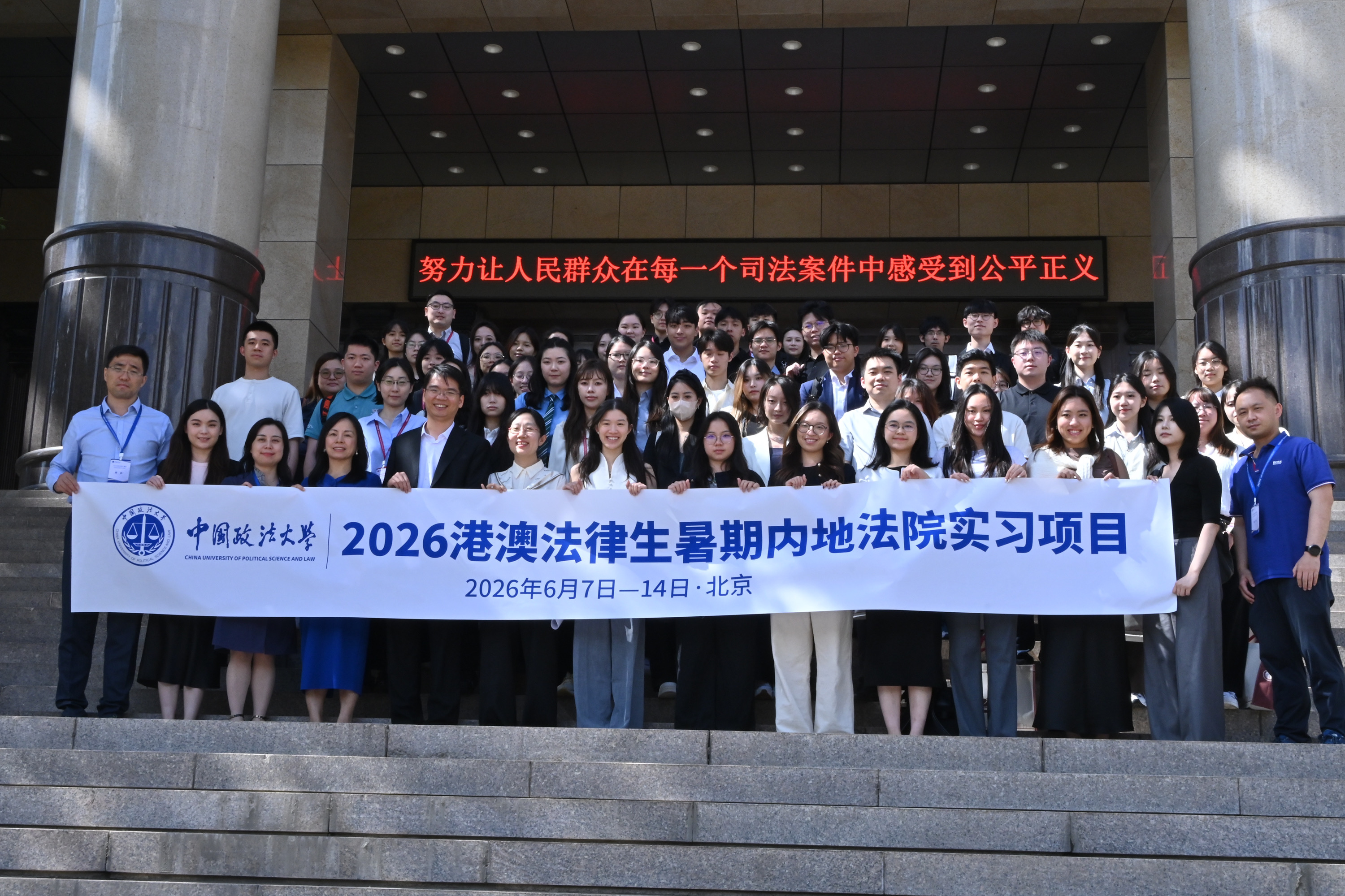
Group photo of participants of the Program
Approved by the Hong Kong and Macao Work Office of the CPC Central Committee and coordinated by the Supreme People’s Court and the Ministry of Education, the 2026 Summer Internship Program ran from 7 June to 11 July. At the outset, participants attended a one-week training program at China University of Political Science and Law (CUPL). They then undertook internships at courts in five cities: Shanghai, Guangzhou, Nanjing, Hangzhou and Shenzhen.
The organizers designed the program to provide hands-on practical training for law students from Hong Kong and Macao. Through immersive engagement, participants gained first-hand insights into the Mainland’s economic and social development, experienced its profound historical and cultural heritage, and deepened their understanding of the Mainland legal system.
This experience is intended to equip young legal practitioners from Hong Kong and Macao to pursue careers in the legal sector of the Guangdong–Hong Kong–Macao Greater Bay Area (GBA). It holds great significance for the integration of the two special administrative regions into the nation’s overall development strategy.
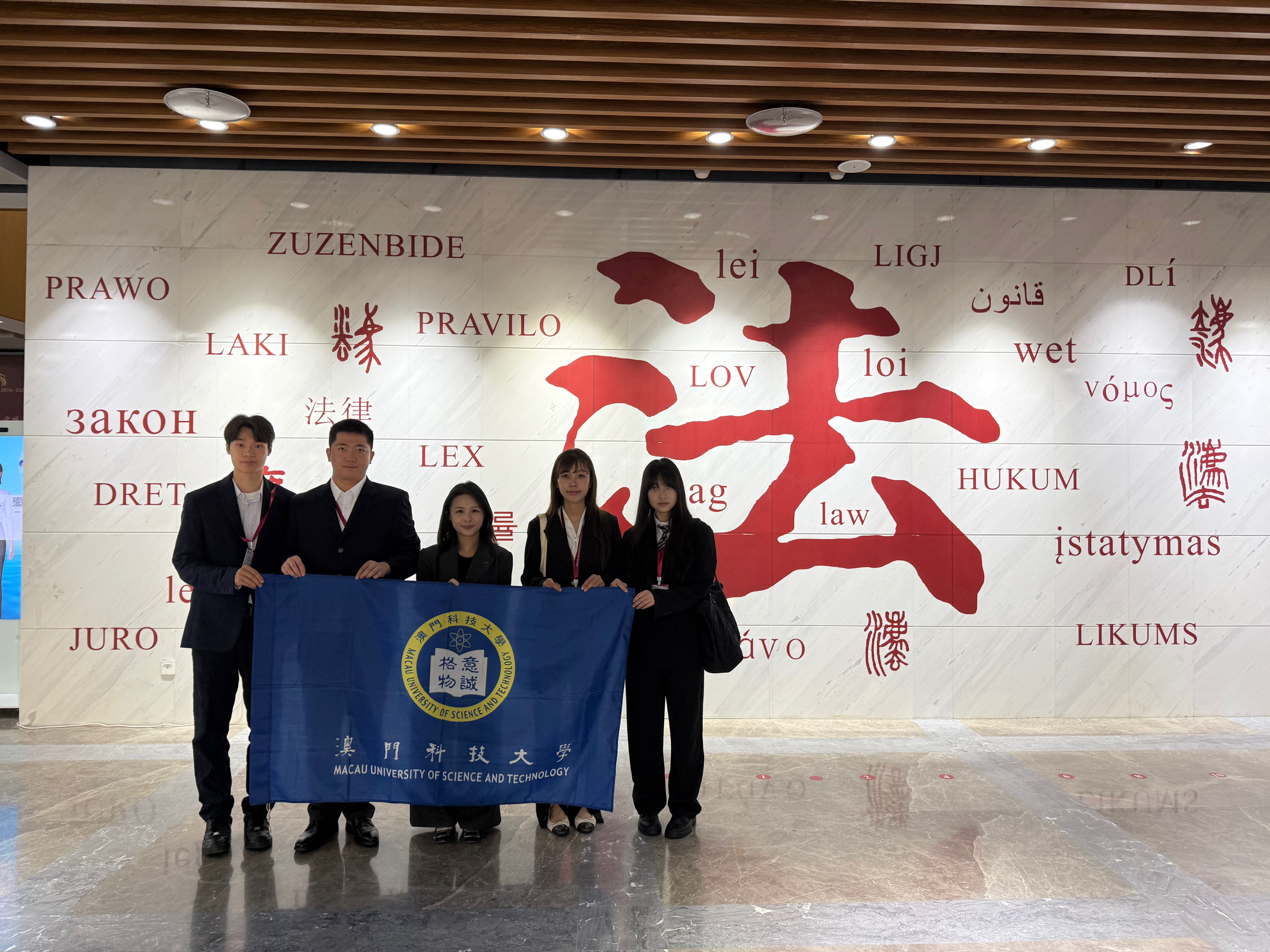
Faculty of Law students receiving training at CUPL
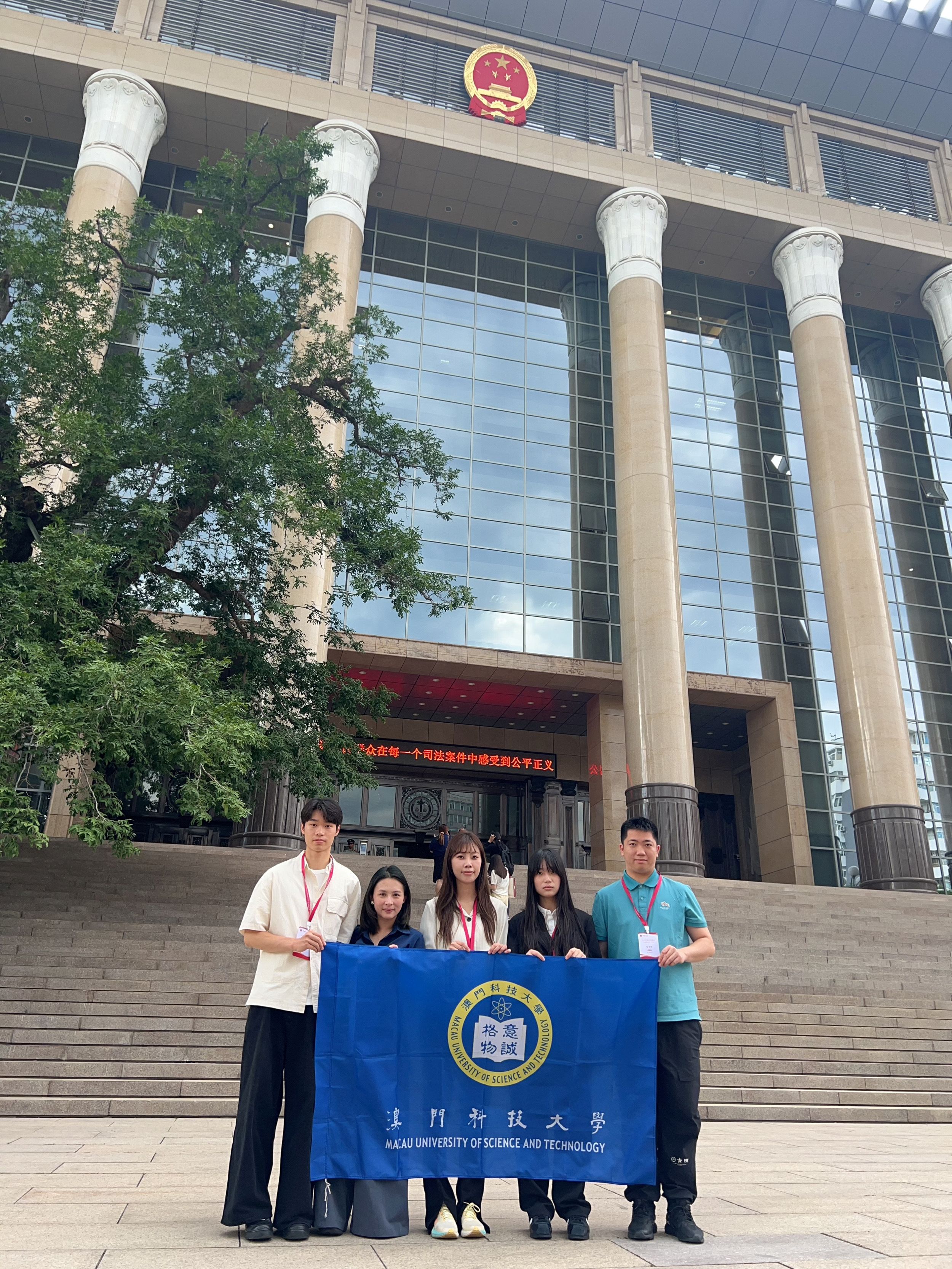
Visit to the Supreme People’s Court
Student Reflections:
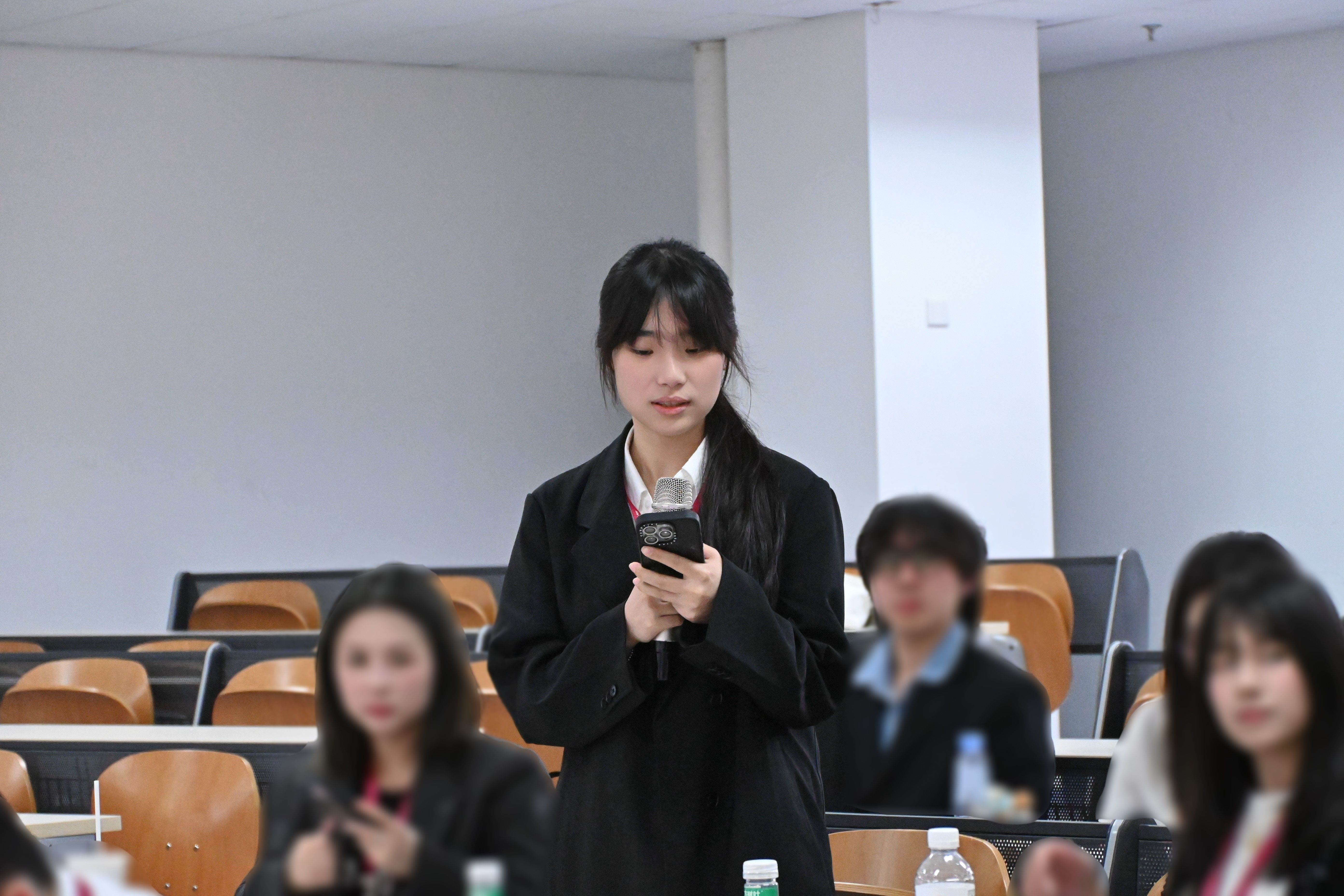
Chen Mingyang
From the solemn grandeur of the Great Hall of the People and the timeless legacy of the Juyongguan Great Wall to digital court hearings at the Supreme People’s Court and lively academic exchanges in Peking University classrooms, every experience reshaped my understanding of the rule of law and social progress in the Mainland. During my internship at a Primary People’s Court, I assisted judges with case file administration and drafted judgments. Gradually, I came to realize that adjudication involves far more than applying legal provisions—it requires striking fair and balanced solutions among competing interests. Law is not merely a set of abstract norms; legal professionals must give it real vitality through day-to-day practice.
This program has broadened my academic horizons and deepened my awareness of the close bond between youth in Hong Kong and Macao and the nation’s development. I will carry these insights forward and continue to move forward in my ongoing studies and future professional practice.
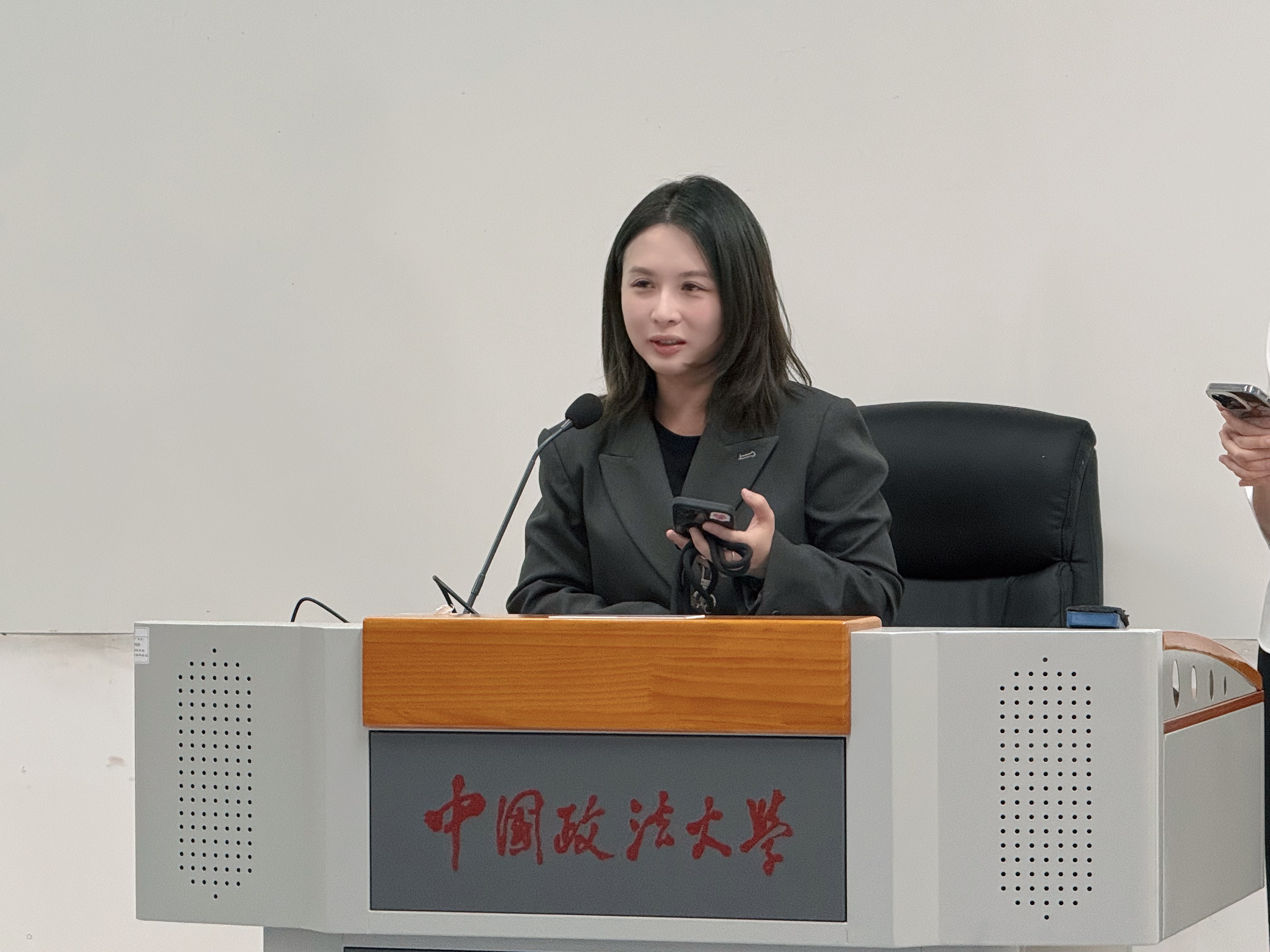
Leong Cheok Wun
Having previously worked full-time before returning to university, I deeply cherish the opportunity to intern and exchange at Mainland courts.
My learning journey included site visits in Beijing, lectures by Professor Huo Zhengxin on legal challenges in the overseas repatriation of cultural heritage, and sessions led by Professor Che Hao demonstrating rigorous legal reasoning through landmark criminal cases. Through these experiences, I gained professional knowledge and witnessed the dedication of countless legal scholars to safeguarding fairness and justice for ordinary citizens.
During my internship at the Huangpu People’s Court in Guangzhou, I observed judges, judicial assistants, and court clerks working meticulously under heavy caseloads, striving to deliver impartial rulings in every matter.
This experience has strengthened my determination to pursue deeper research in legal studies. Going forward, I hope to apply what I have learned to society and make a modest contribution to aligning the civil and commercial legal frameworks between Macao and Hengqin.

Leong Weng Tong
This internship bridged legal theory and on-the-ground practice. By observing live court proceedings, I came to understand procedural justice in a tangible way. Serving as a trial judge in a simulated divorce dispute immersed me in the tensions between legal principles and human emotion, making it clear that judicial rulings cannot rely on the simplistic application of statutes alone.
My visit to the Jiande People’s Court also left a lasting impression, particularly the distinctive strength of “soft justice” embodied by the Qianhe Female Judges’ Studio. Discussions with judges about comparative approaches to evidence-taking and cost control in judicial proceedings—both in Mainland courts and in Macao’s judiciary—broadened my cross-legal-system perspective.
In addition, visits to Lin’an Museum, the Former Residence of King Qian, and the Xin’an River Hydropower Station revealed the depth of regional culture. I realized that the rule of law cannot exist in isolation; it must be grounded in dynamic social reality. Overall, this experience has profoundly reshaped my understanding of the legal profession.
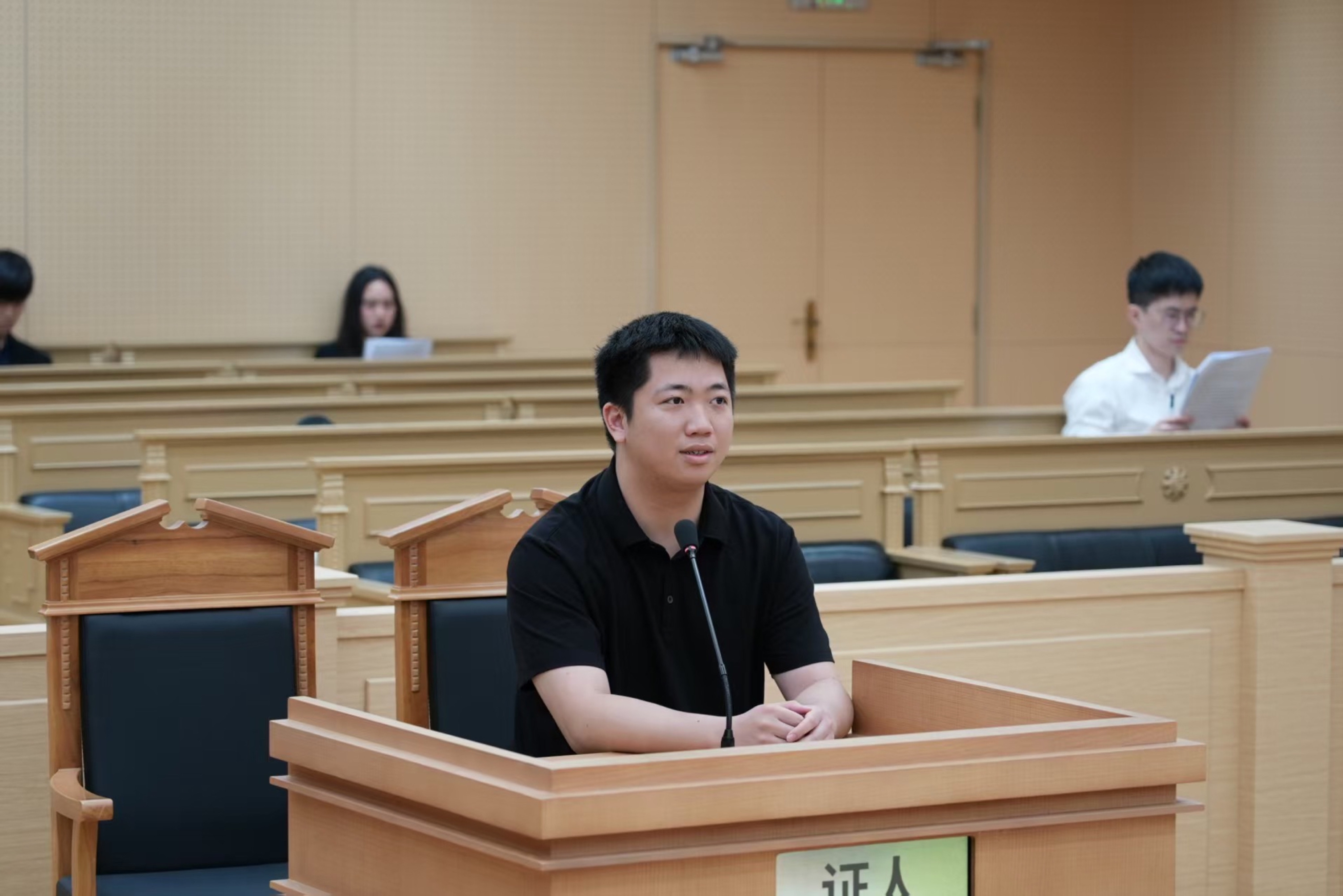
Huang Sihao
For me, participating in the 2026 Summer Internship Program represents far more than an internship opportunity—it provides an essential channel for Macao law students to engage with the Mainland legal system.
During my internship at a court in Shanghai, I studied the structure and day-to-day operation of the Mainland’s judiciary. I also developed a clearer understanding of the differences between Mainland law and Macao law.
The development of the Guangdong–Hong Kong–Macao Greater Bay Area has created pivotal opportunities for legal exchange and convergence between the two sides. This internship showed me the Mainland judiciary’s rapid progress toward specialization, digitalization, and internationalization. In particular, hearing mechanisms for foreign-related cases and cross-border commercial dispute resolution through tribunals within free trade zones offer valuable references for cross-jurisdictional legal collaboration across the Greater Bay Area.
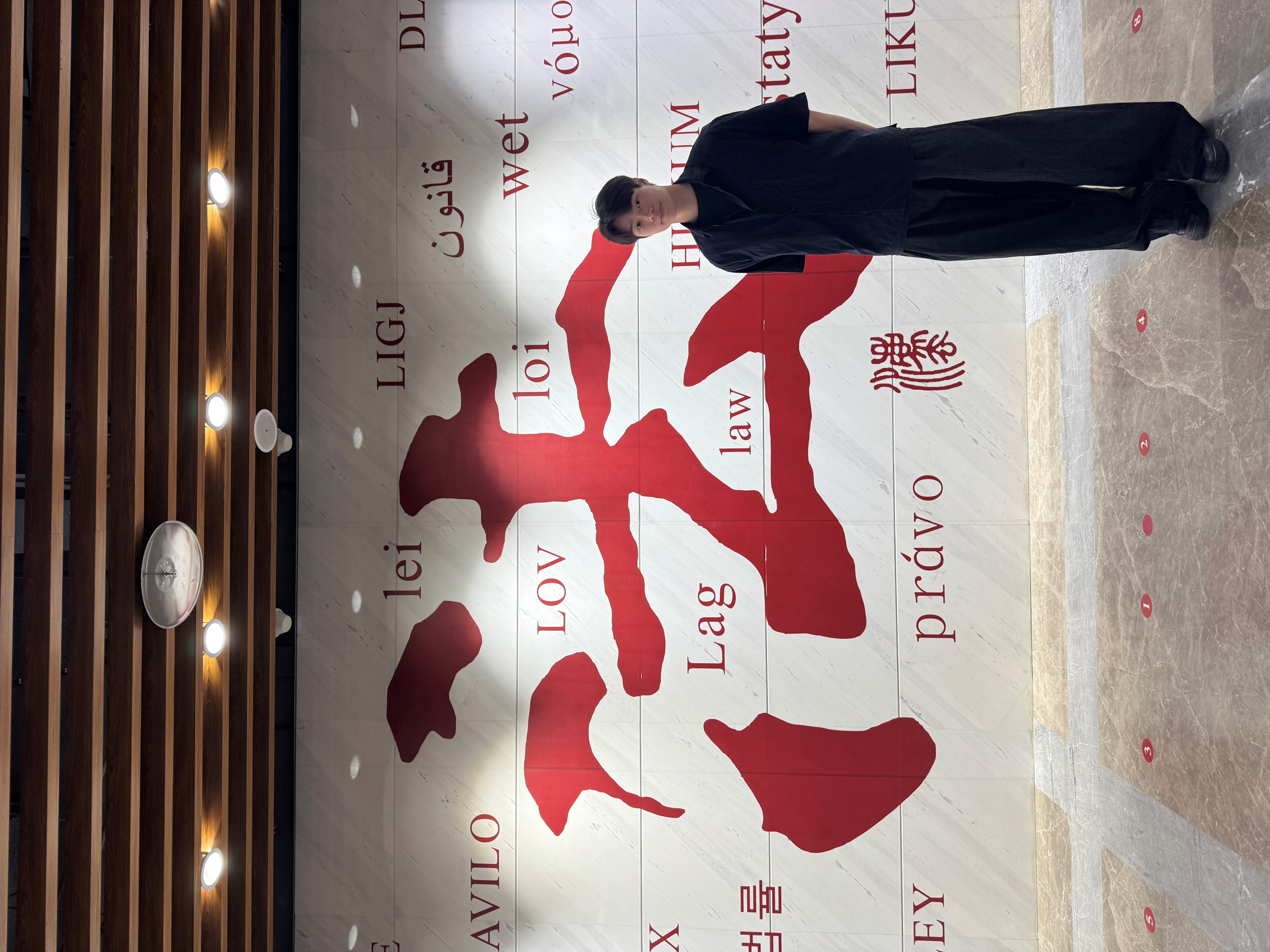
Huang Shengfeng
I completed my internship at the Nanjing Intermediate People’s Court. The supervising judge patiently guided me through practical judicial workflows, arranged for me to attend court hearings, and explained the coordination mechanisms between the courts and relevant government authorities. The judge also took care to support my daily adjustment, including helping me adapt to local cuisine.
Beyond professional training, staff from the Court’s Political Department organized excursions to iconic local sites such as the Sun Yat-sen Mausoleum, the Presidential Palace, and Laomen East Pedestrian Street. These trips allowed us to deepen our understanding while also appreciating Nanjing’s rich history and culture.
Overall, the internship was fulfilling and rewarding, leaving me with precious memories.

