



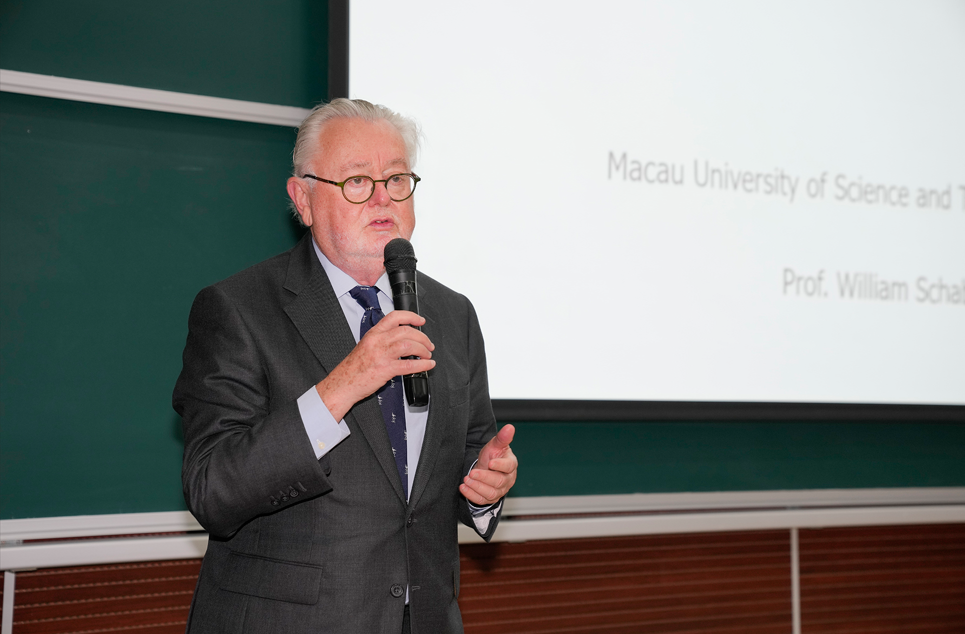
Professor Schabas
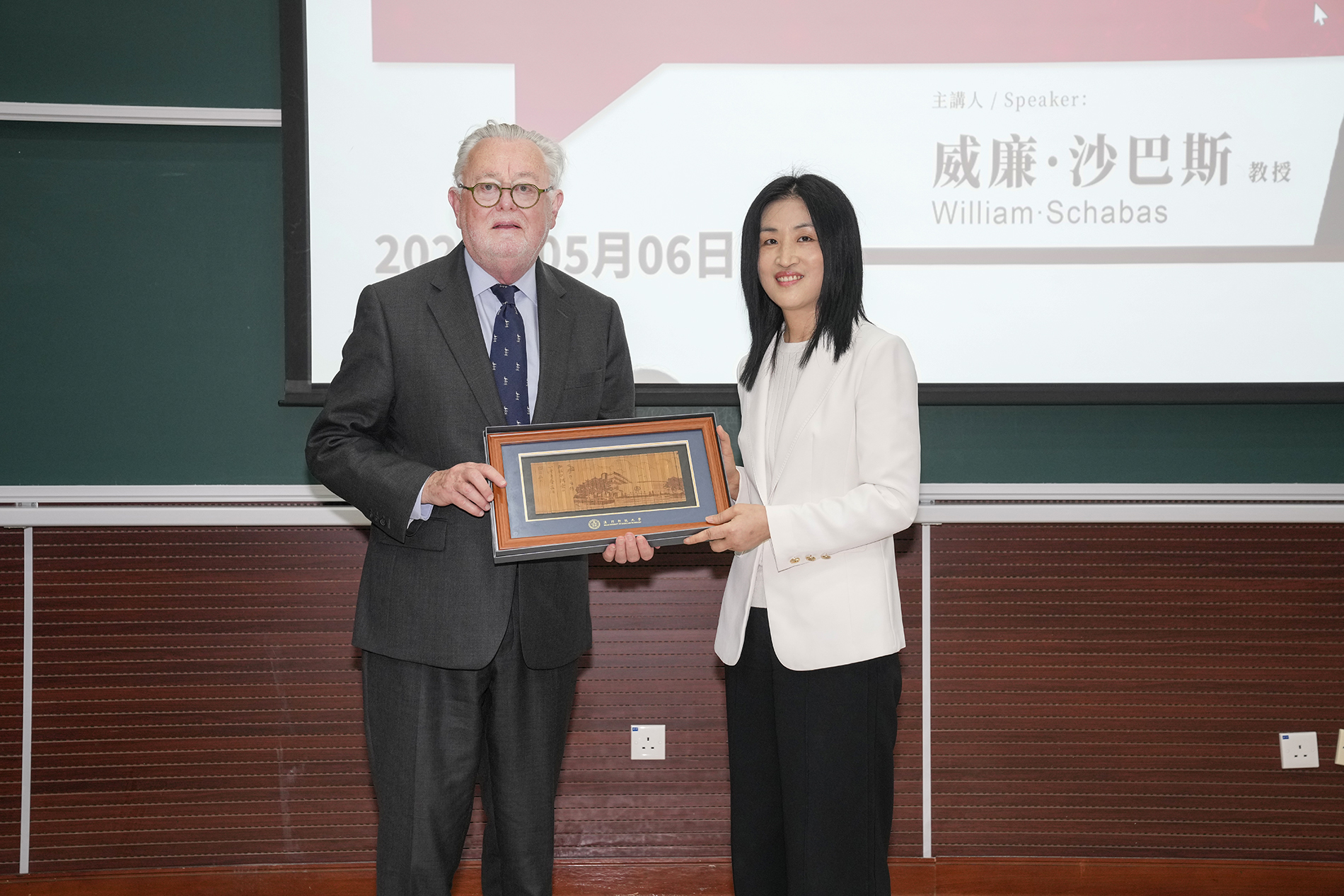
Professor Fang Quan presented a commemorative souvenir to Professor Schabas

Welcoming Remarks by Dean Fang Quan
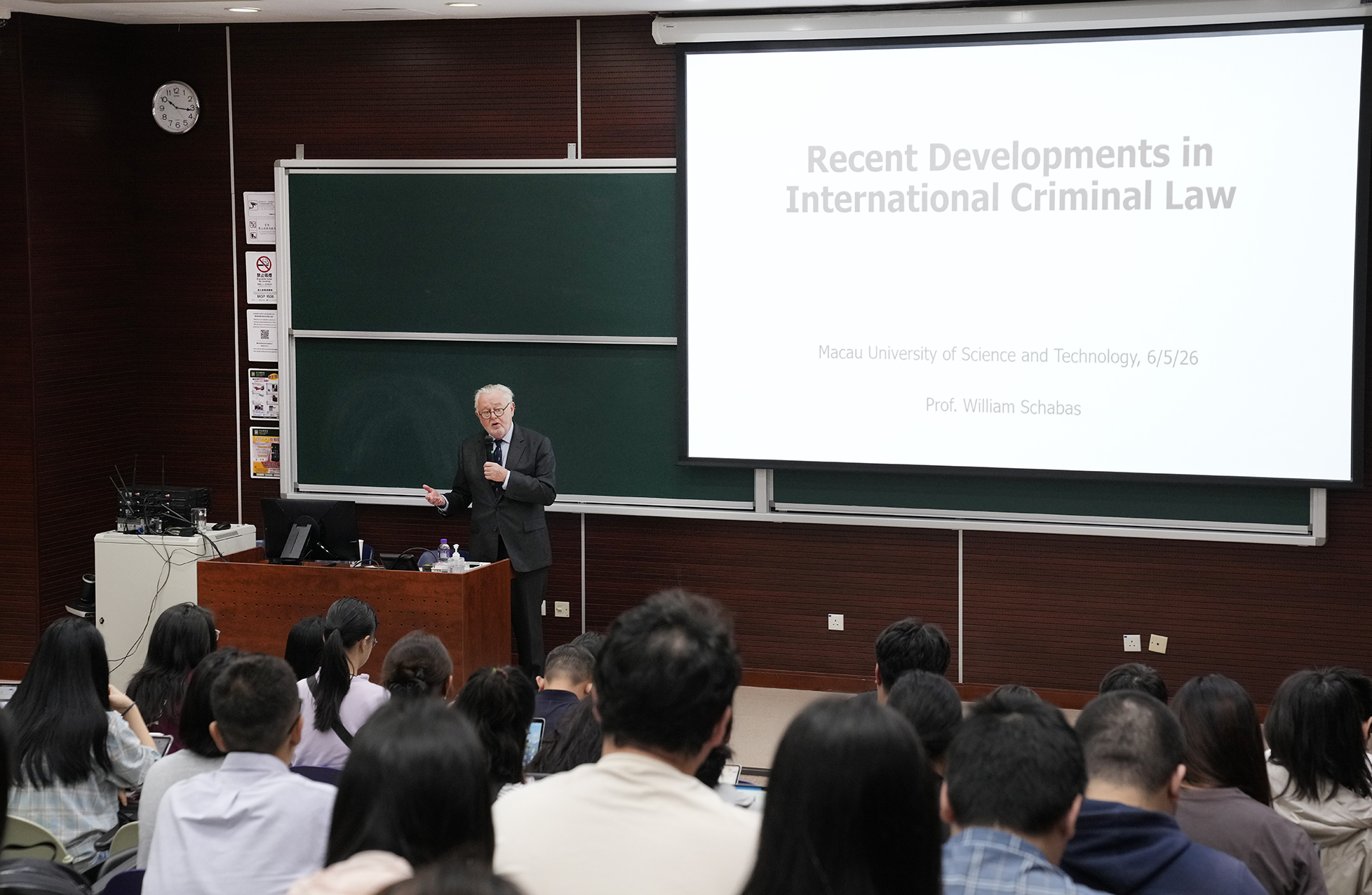
Drawing on his many years of academic research and practical involvement in the construction of the international criminal justice system, Professor Schabas traced the historical evolution of international criminal law as a whole. He observed that although international criminal law can be traced back to the Nuremberg and Tokyo Trials following the Second World War, its emergence as a relatively comprehensive legal system has largely occurred over the past two to three decades—closely paralleling his own scholarly career. Contemporary international criminal law, he explained, is essentially a hybrid legal system that integrates elements of both common law and civil law traditions, continuously evolving through their interaction.
At the institutional level, Professor Schabas focused on introducing the Draft Articles on the Prevention and Punishment of Crimes Against Humanity currently being advanced within the United Nations framework. He noted that the draft articles were finalized by the International Law Commission in 2019 and that in 2024 the UN General Assembly authorized the commencement of intergovernmental negotiations. The ongoing discussions involve a number of key legal and political issues, highlighting that international criminal law is presently at a critical stage of institutional development.
Turning to the International Criminal Court (ICC), Professor Schabas outlined its institutional structure and current operations. Since its establishment in 2002, the ICC has exercised jurisdiction over genocide, crimes against humanity, war crimes, and the crime of aggression. He pointed out, however, that the application of jurisdiction over the crime of aggression remains constrained by the political structure of the UN Security Council, which limits the Court’s ability to address certain major international conflicts. Recent controversies surrounding arrest warrants and related sanctions, he added, further underscore the significant political pressures faced by international criminal justice.
Regarding the evolving role of the International Court of Justice (ICJ), Professor Schabas observed that the Court has gradually expanded beyond resolving boundary and diplomatic disputes to become a key judicial forum for addressing major human rights and international crime cases. At present, the ICJ is hearing several cases based on the Convention on the Prevention and Punishment of the Crime of Genocide. He noted that in determining the special intent required for genocide, the Court has increasingly emphasized patterns of conduct and the broader context reflected in international investigative reports, while adopting a more forward-looking interpretation of the obligation to prevent genocide.
In conclusion, Professor Schabas emphasized that the challenges currently confronting both the ICC and the ICJ reflect the international community’s strong expectations for addressing mass atrocities and human rights catastrophes through the rule of law. Although international criminal law is inevitably influenced by political realities, its normative force and symbolic significance continue to deepen. Drawing on historical cases such as the Tokyo Trials and the Nanjing Massacre, he reflected from comparative and historical perspectives on the role of international criminal justice in shaping collective memory and promoting international reconciliation.
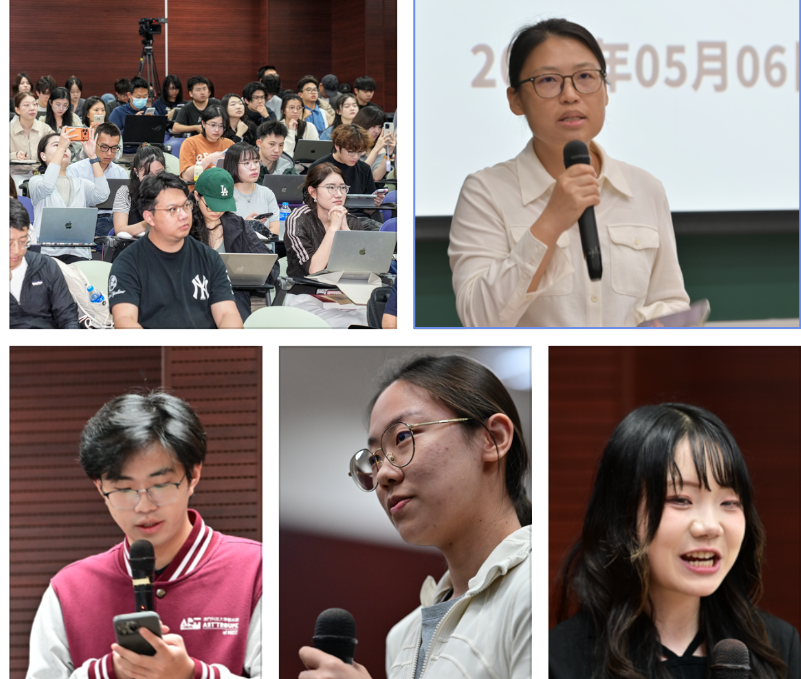
The lecture was moderated by Assistant Professor Wang Jia, who also served as discussant. The interactive session was lively, with students actively raising questions. Professor Schabas’s responses were clear and insightful, stimulating diverse lines of thought and generating dynamic discussions. Participants found the session both enriching and intellectually rewarding.
Since its launch in 2009, the Shizi Gate Master Lecture Series has served as a flagship academic initiative of the MUST Faculty of Law, consistently inviting distinguished legal scholars from around the world. This lecture not only provided faculty and students with a valuable opportunity to engage face-to-face with a world-class scholar, but also further enhanced the Faculty’s academic influence in the fields of international criminal law and international human rights law, highlighting Macau’s unique role as a meeting point of Eastern and Western legal cultures.

